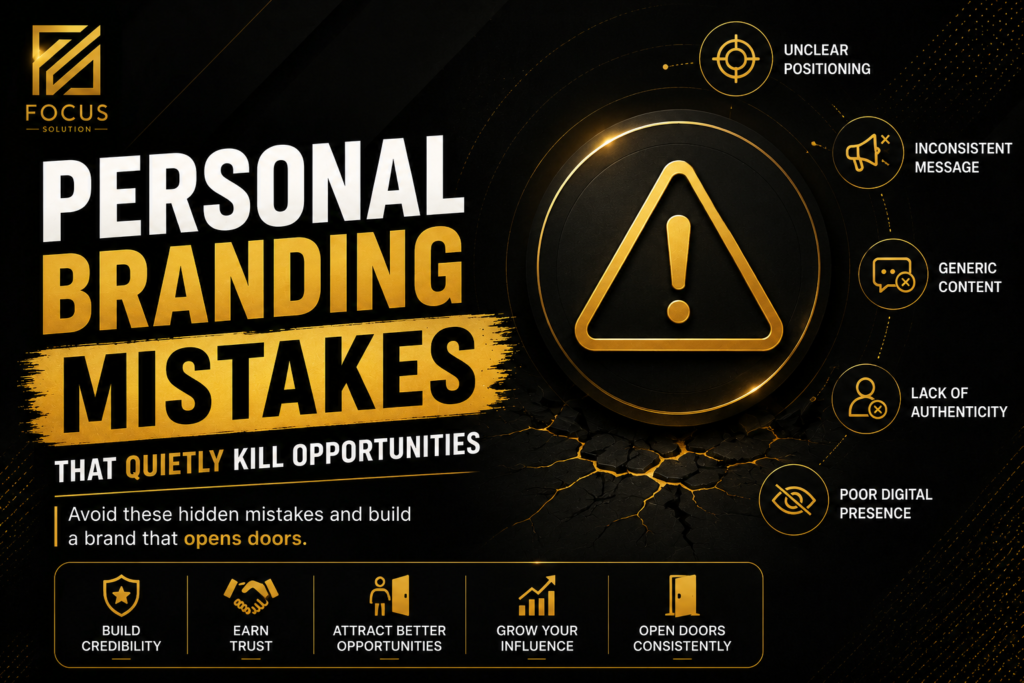
A weak personal brand rarely fails loudly. Most of the time, it fails silently.
You do not get the callback. The client chooses someone else. Your content gets ignored. Opportunities pass by without explanation. And while many people assume the problem is experience, pricing, or market competition, the real issue is often perception.
In today’s digital world, people form opinions within seconds. According to research from Forbes, first impressions online are heavily influenced by visual consistency, communication style, and perceived credibility before expertise is even evaluated. Another study from LinkedIn found that decision-makers are significantly more likely to engage with professionals who maintain a clear and active professional presence online.
That means your personal brand is working even when you are not.
The problem is that many professionals unknowingly damage their credibility through small branding mistakes that quietly reduce trust over time. These mistakes may seem harmless individually, but together they create confusion, inconsistency, and doubt.
The Smartest Way To Use ChatGPT For Personal Branding
Most people are using ChatGPT the wrong way.
They ask it to write generic captions, motivational posts, or polished-sounding paragraphs that could belong to anyone. The result is content that feels robotic, forgettable, and emotionally empty. Ironically, the very tool that could help strengthen a personal brand often ends up weakening it when used carelessly.
But when used strategically, ChatGPT can become one of the most powerful tools for building authority online.
According to a 2025 report from McKinsey & Company, generative AI could add between $2.6 trillion and $4.4 trillion annually to the global economy, largely through productivity and communication improvements. At the same time, research from Salesforce found that consumers still value authenticity and human connection more than automation alone. This creates an important reality for professionals and founders: AI can accelerate visibility, but trust still comes from personality.
The Secret to Writing LinkedIn Posts (Without Sounding Like AI)
LinkedIn is full of content. But very little of it feels real.
You’ve probably seen posts that sound polished yet strangely empty. They use perfect formatting, trendy hooks, and “motivational” storytelling but something still feels off. Readers scroll past because the content sounds manufactured instead of human.
The problem is not AI itself. The problem is when people stop sounding like people.
Today, audiences are more aware than ever. They can instantly tell when a post feels forced, overly optimized, or written only for impressions. What people actually engage with are thoughts, experiences, opinions, and stories that feel genuine.
That’s why learning how to write human LinkedIn posts matters more than ever.
In this blog, you’ll learn why most LinkedIn content feels robotic, what makes writing feel authentic, and practical ways to create posts that connect with real people while still performing well on the platform.
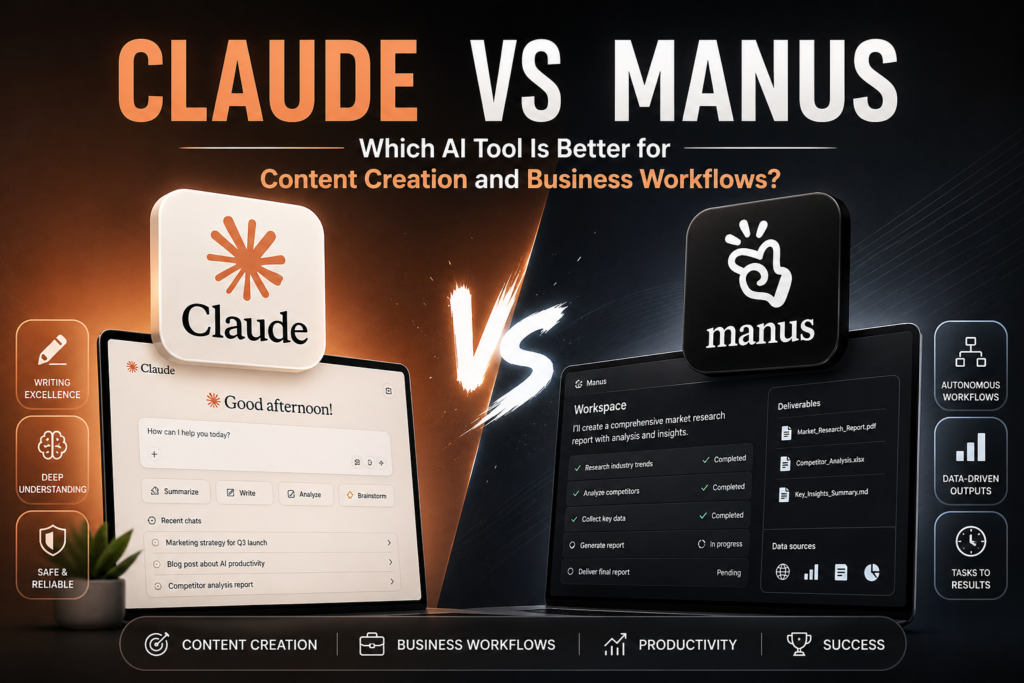
Claude vs Manus: Which AI Tool Is Better for Content Creation and Business Workflows?
AI tools are no longer a luxury. They’re becoming the backbone of how modern businesses create content, automate work, and scale operations.
But here’s the real problem: not all AI tools are built for the same purpose. Choosing the wrong one doesn’t just waste time, it limits your growth. Two tools that are generating a lot of discussion right now are Claude and Manus. On the surface, they may seem similar. Both use advanced AI. Both promise efficiency. Both claim to improve output.
But in reality, they solve very different problems. In this blog, you’ll get a clear, practical breakdown of Claude vs Manus not just what they are, but when to use each, where they outperform, and how to choose the right one based on your actual goals.
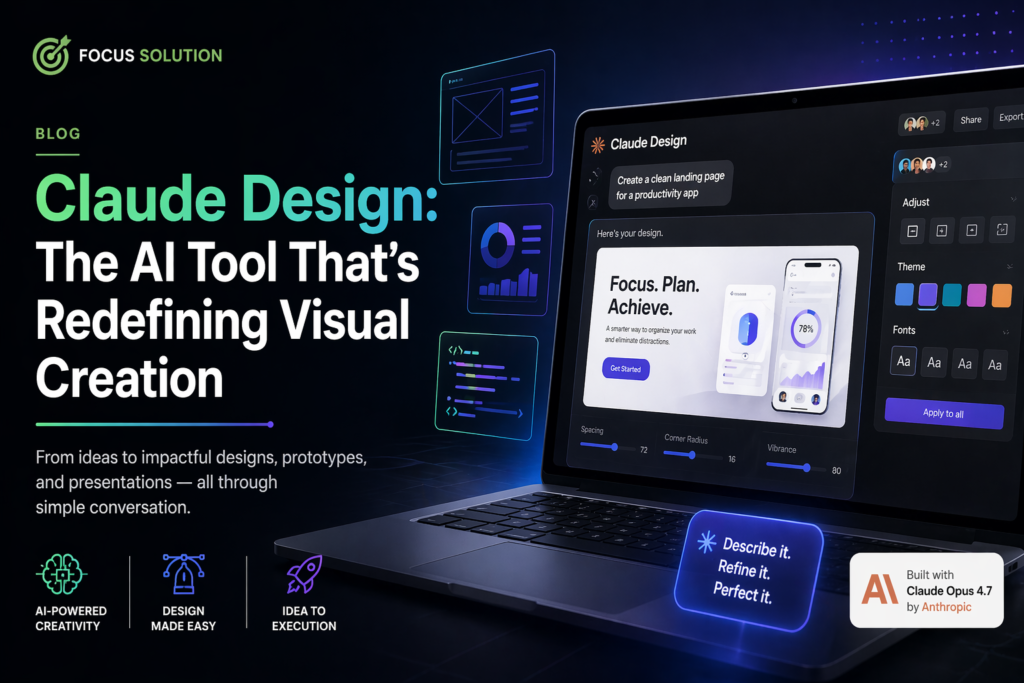
Claude Design: The AI Tool That’s Redefining Visual Creation
What if you could turn a simple conversation into a fully functional prototype? What if creating pitch decks, wireframes, and marketing materials didn’t require years of design expertise? That future just arrived.
Anthropic launched Claude Design on April 17, 2026, introducing a new product that lets users collaborate with AI to create polished visual work including designs, prototypes, slides, and one-pagers. This isn’t just another AI image generator—it’s a complete reimagining of how we move from ideas to execution.
For founders scrambling to create investor decks at midnight, product managers sketching wireframes in meetings, and marketers juggling visual campaigns without a design team, Claude Design represents a fundamental shift. And for professional designers? It’s opening doors to explore creative directions that were previously too time-intensive to consider.
Here’s everything you need to know about this groundbreaking tool and why it matters.
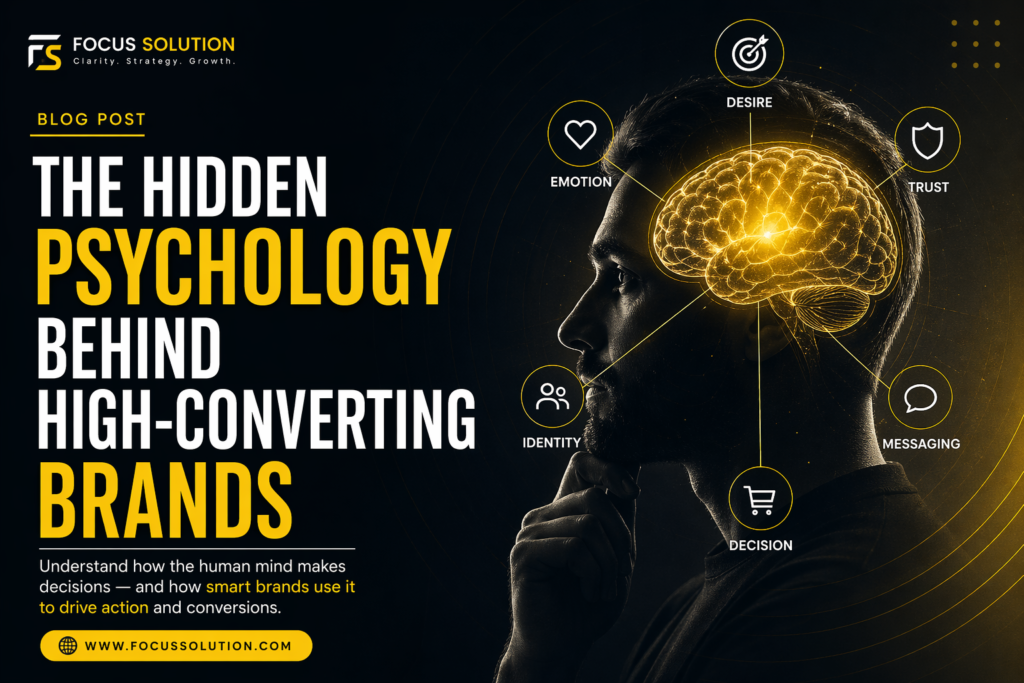
The Hidden Psychology Behind High-Converting Brands
Why do some brands instantly feel trustworthy while others get ignored?
It’s not just design. It’s not about posting more. And it’s definitely not luck.
High-converting brands understand something deeper: human psychology.
They know how people think, what drives decisions, and how to remove doubt before it even appears. Instead of chasing trends, they build systems around how the brain actually works.
In this blog, you’ll learn the hidden psychology behind high-converting brands and how to apply it to your own business in a practical way.
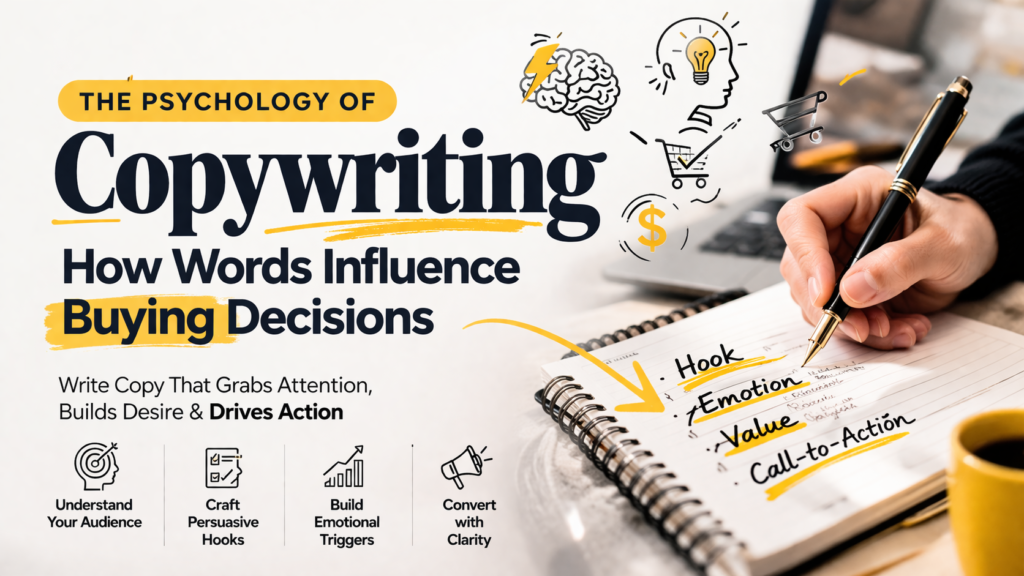
Why Your Copy Isn’t Converting (And What Actually Fixes It)
Most copies don’t fail because they’re badly written.
It fails because it sounds right but doesn’t land.
You’ll see clean sentences, decent hooks, even “proven formulas.” Yet no clicks. No replies. No conversions. The gap isn’t skill. It’s a misalignment between what the business wants to say and what the buyer needs to hear at that moment.
This article breaks down where copy actually breaks and how to fix it with sharper thinking, not louder words.
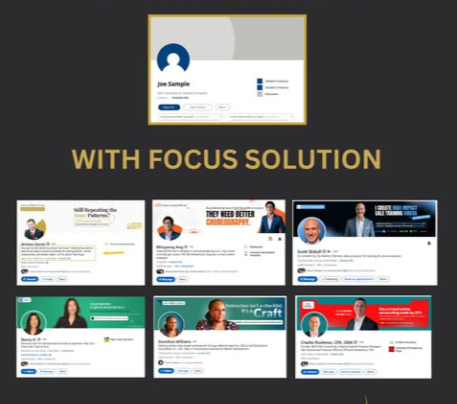
How a Professional LinkedIn Profile Picture and Banner Impact Your Success
In today’s digital-first world, your LinkedIn profile is more than just an online resume—it is your personal brand. Before anyone reads your experience, checks your skills, or evaluates your achievements, they notice your profile picture and banner. These two visual elements create an immediate impression, often within seconds, and can determine whether someone chooses to connect with you or move on.
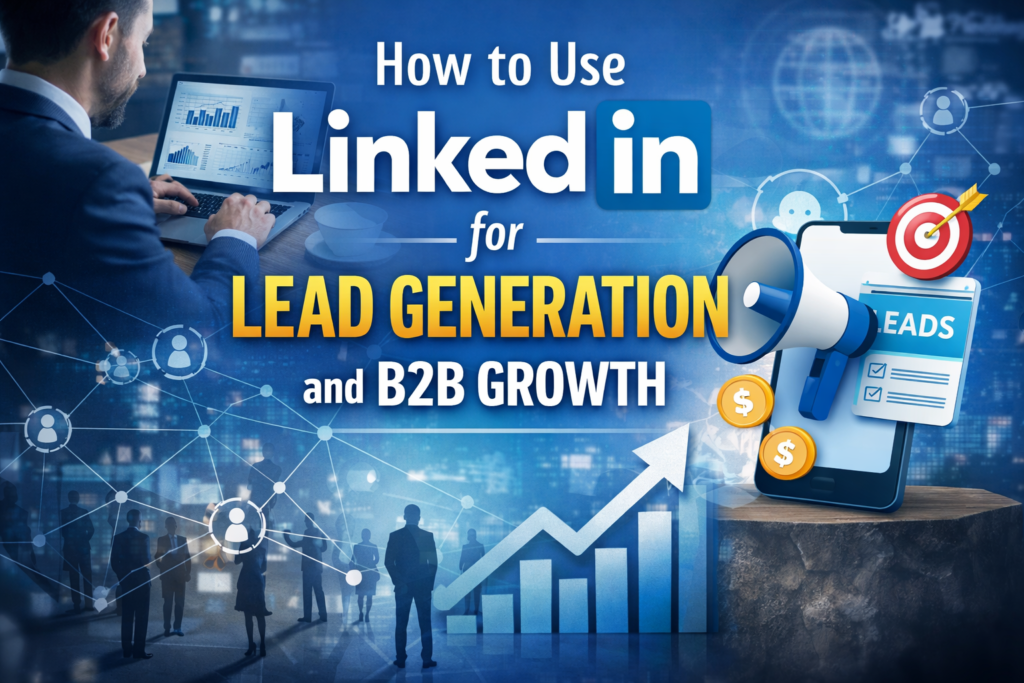
How to Use LinkedIn for Lead Generation and B2B Growth
LinkedIn has become the most powerful platform for B2B lead generation in today’s digital landscape. With millions of professionals actively engaging on the platform, businesses now have direct access to decision-makers, industry leaders, and high-intent buyers. Unlike other platforms, LinkedIn is built specifically for professional interactions, making it ideal for generating qualified leads.
This article explores how to use LinkedIn for lead generation, including proven strategies, tools, and advertising methods that drive real B2B growth.
What the Top Marketing Platforms Teach Us About Growing Online
The digital marketing landscape has transformed dramatically, with AI reshaping how brands connect with audiences. The world’s leading marketing platforms HubSpot,Ahrefs,Semrush, andUbersuggest offer invaluable insights for navigating this new reality. Understanding what these best marketing analytics platforms with customer journey insights teach us is essential for growth in 2025.