AI Search Strategy: A Practical Guide for Modern Marketing Teams

Search has entered a new era. Audiences are no longer just typing keywords into a search bar and scanning ten blue links. They are asking complex questions and expecting direct, accurate answers. Artificial intelligence now sits between the user and the content, interpreting intent, synthesising information, and deciding which sources deserve visibility.

For modern marketing teams, this shift requires a fundamental rethink. Traditional SEO alone is no longer enough. What is needed is a clear, intentional AI search strategy that works for both AI systems and human decision makers.

This guide explains what AI search strategy is, why it matters, and how marketing teams can build an approach that performs in both Google and AI-driven search experiences.

Why Engaging With Your ICP Is Essential Before Posting on LinkedIn

Many professionals post consistently on LinkedIn yet see little return low reach, minimal engagement, and no meaningful conversations with potential clients. The issue is rarely the quality of the content itself. More often, it’s the absence of prior engagement with the Ideal Customer Profile (ICP).

LinkedIn Personal Branding

LinkedIn Content Strategy for Consultants: What to Post at Each Funnel Stage

LinkedIn is one of the most effective platforms for consultants to build authority, trust, and a predictable pipeline of inbound leads. However, most consultants post content without a clear strategy. They share advice, stories, or opinions in isolation, without considering where their audience is in the buying journey.

Best Tools for Enhancing LinkedIn Branding

LinkedIn has evolved far beyond an online CV. Today, it functions as a personal media channel, reputation engine, and lead generation platform. Whether you are building authority in your field, attracting clients, or positioning yourself for senior opportunities, LinkedIn branding is no longer optional.

However, strong LinkedIn branding does not come from posting randomly or copying trending formats. It comes from clarity, consistency, and the intelligent use of tools that support strategy, execution, and measurement.

This article breaks down the best tools for enhancing LinkedIn branding, organised by function, and explains how and why to use them together as a system rather than isolated tactics.

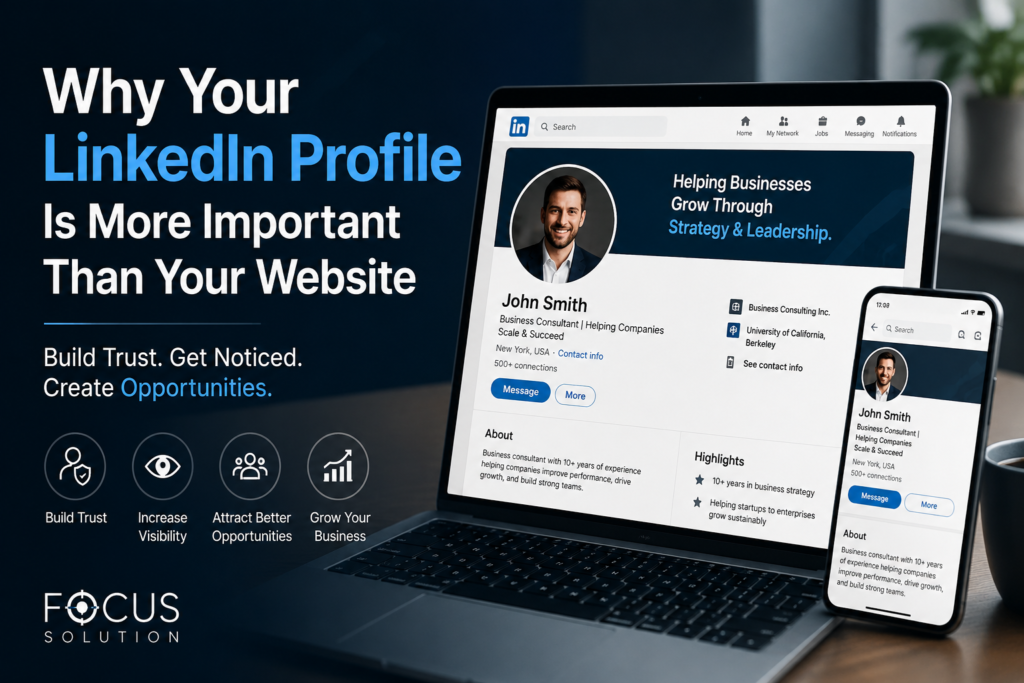
How to SEO Your LinkedIn Profile (So Clients Find You Without You Chasing)

Most professionals treat LinkedIn like an online CV. They fill it once, forget it, and rely on posting daily to stay visible. That approach misses the real opportunity. LinkedIn is not just a social platform. It is the world’s largest professional search engine.

When your profile is optimised for search, clients find you while they are already looking for solutions. You move from chasing attention to capturing intent. This is what LinkedIn SEO does when it is done correctly.

This guide explains how LinkedIn search works, what to optimise, and how to position your profile so inbound opportunities become predictable.

Why “DM Me” Posts Are Losing Effectiveness

Buyer behaviour has changed

According to Gartner, B2B buyers spend only 17 percent of their buying journey actively talking to suppliers. The remaining time is spent researching independently, observing expertise, and validating credibility (Gartner, 2023).

When a post ends with “DM me,” it interrupts this natural process. Instead of supporting buyer autonomy, it introduces friction.

Teaching AI to Sound Like You: A Practical Guide to Protecting Brand Voice at Scale

Artificial intelligence has moved from experimentation to execution in content marketing. Blogs, emails, social posts, landing pages, and even customer support responses are now routinely drafted by AI systems. The efficiency gains are undeniable. What is less discussed is the growing risk to brand voice, credibility, and trust when AI is deployed without discipline.

AI does not inherently understand your brand. It imitates patterns. Without clear direction, those patterns default to generic language, safe phrasing, and surface-level confidence. Over time, this erodes the distinctiveness that brands work years to build.

To use AI responsibly and effectively, organizations must treat brand voice training as a strategic process, not a technical shortcut.

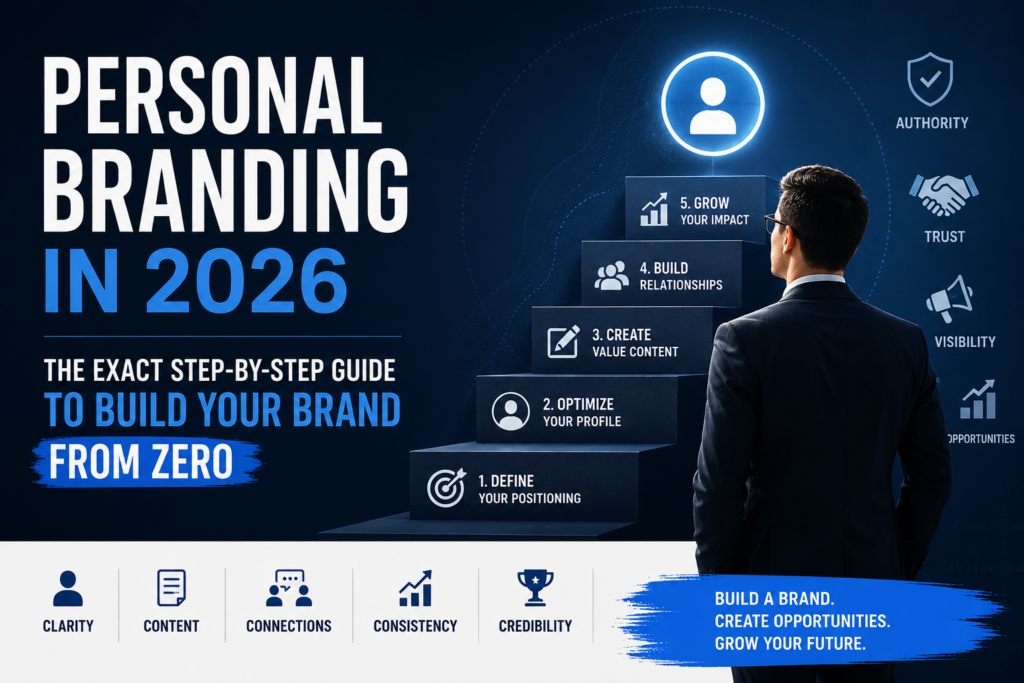
Who Needs a Personal Brand?

Everyone Does and the Evidence Is Clear

In the contemporary professional landscape, personal branding has shifted from a niche concept associated with celebrities and entrepreneurs to a universal necessity. Advances in digital technology, changes in recruitment practices, and the rise of the knowledge economy have fundamentally altered how individuals are evaluated, trusted, and rewarded. Today, everyone students, employees, freelancers, leaders, and career changers need a personal brand to remain relevant, visible, and credible.

Personal branding is no longer about self-promotion for attention’s sake. Instead, it is about intentional identity management: clarifying one’s value, communicating it consistently, and ensuring alignment between perception and capability (Shepherd, 2005). Whether actively cultivated or not, every individual already has a personal brand shaped by online presence, workplace behavior, and social interactions (Gorbatov et al., 2018). The critical difference lies in whether that brand is strategic or accidental.

The Tech Stack: Tools That Reduce Work, Not Add to It

Running a one-person business means every decision has a cost.

Every new tool promises speed, growth, or leverage.
But in reality, most solopreneurs don’t suffer from a lack of tools  they suffer from too many disconnected systems pulling attention in different directions.

The goal isn’t to build a large tech stack.
The goal is to build a supportive one.

This article outlines a carefully considered set of digital tools that help solopreneurs:

A Focused Social Media Strategy for Solopreneurs

Building a social media presence as a solopreneur can feel like an endless balancing act.

You’re the strategist, the creator, the editor, the community manager and the business itself. Every platform demands attention. Every “expert” recommends a different tactic. And before long, social media starts to feel less like a growth channel and more like a constant source of pressure.

The problem isn’t that social media doesn’t work for solopreneurs.
The problem is trying to do too much, in too many places, without a clear strategy.

This article lays out a focused, sustainable social media strategy designed specifically for solopreneurs one that prioritises clarity, consistency, and long-term impact over noise and burnout.