
Who Needs a Personal Brand?

Everyone Does and the Evidence Is Clear

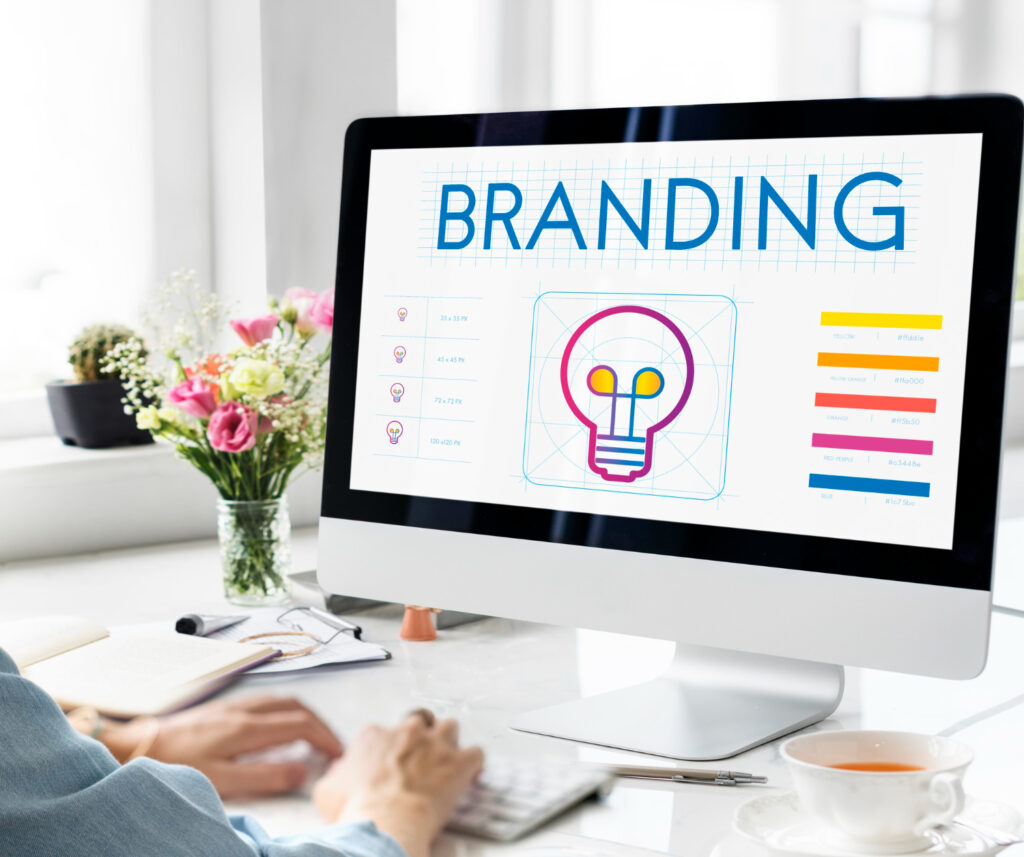
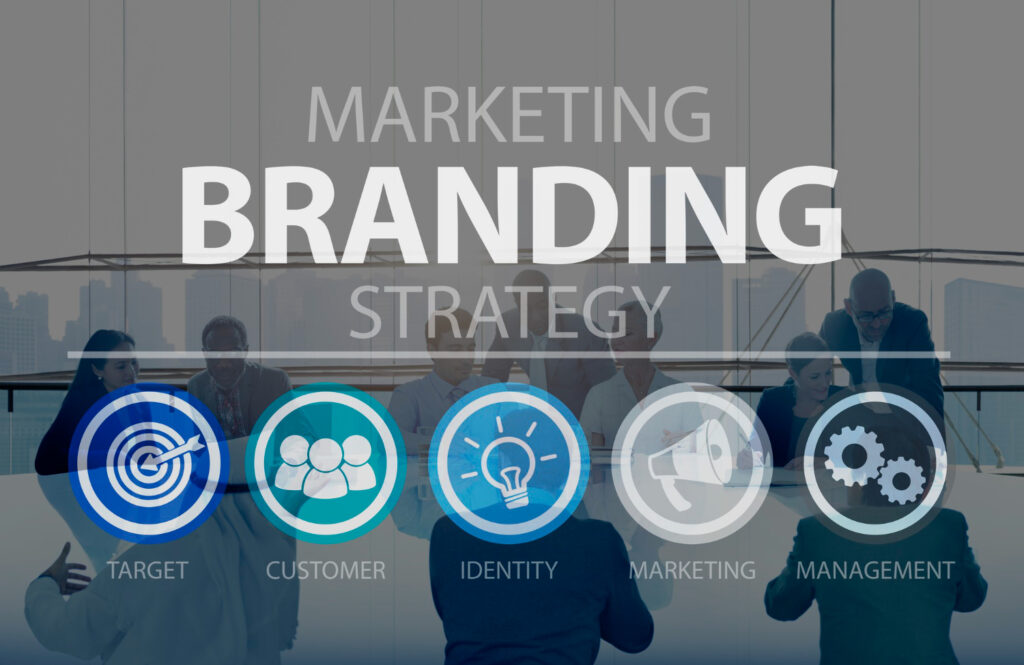
In the contemporary professional landscape, personal branding has shifted from a niche concept associated with celebrities and entrepreneurs to a universal necessity. Advances in digital technology, changes in recruitment practices, and the rise of the knowledge economy have fundamentally altered how individuals are evaluated, trusted, and rewarded. Today, everyone students, employees, freelancers, leaders, and career changers need a personal brand to remain relevant, visible, and credible.

Personal branding is no longer about self-promotion for attention’s sake. Instead, it is about intentional identity management: clarifying one’s value, communicating it consistently, and ensuring alignment between perception and capability (Shepherd, 2005). Whether actively cultivated or not, every individual already has a personal brand shaped by online presence, workplace behavior, and social interactions (Gorbatov et al., 2018). The critical difference lies in whether that brand is strategic or accidental.

The Tech Stack: Tools That Reduce Work, Not Add to It

Running a one-person business means every decision has a cost.

Every new tool promises speed, growth, or leverage.
But in reality, most solopreneurs don’t suffer from a lack of tools  they suffer from too many disconnected systems pulling attention in different directions.

The goal isn’t to build a large tech stack.
The goal is to build a supportive one.

This article outlines a carefully considered set of digital tools that help solopreneurs:

A Focused Social Media Strategy for Solopreneurs

Building a social media presence as a solopreneur can feel like an endless balancing act.

You’re the strategist, the creator, the editor, the community manager and the business itself. Every platform demands attention. Every “expert” recommends a different tactic. And before long, social media starts to feel less like a growth channel and more like a constant source of pressure.

The problem isn’t that social media doesn’t work for solopreneurs.
The problem is trying to do too much, in too many places, without a clear strategy.

This article lays out a focused, sustainable social media strategy designed specifically for solopreneurs one that prioritises clarity, consistency, and long-term impact over noise and burnout.

Personal Branding on LinkedIn: Tips, Tricks, and Strategies That Actually Work

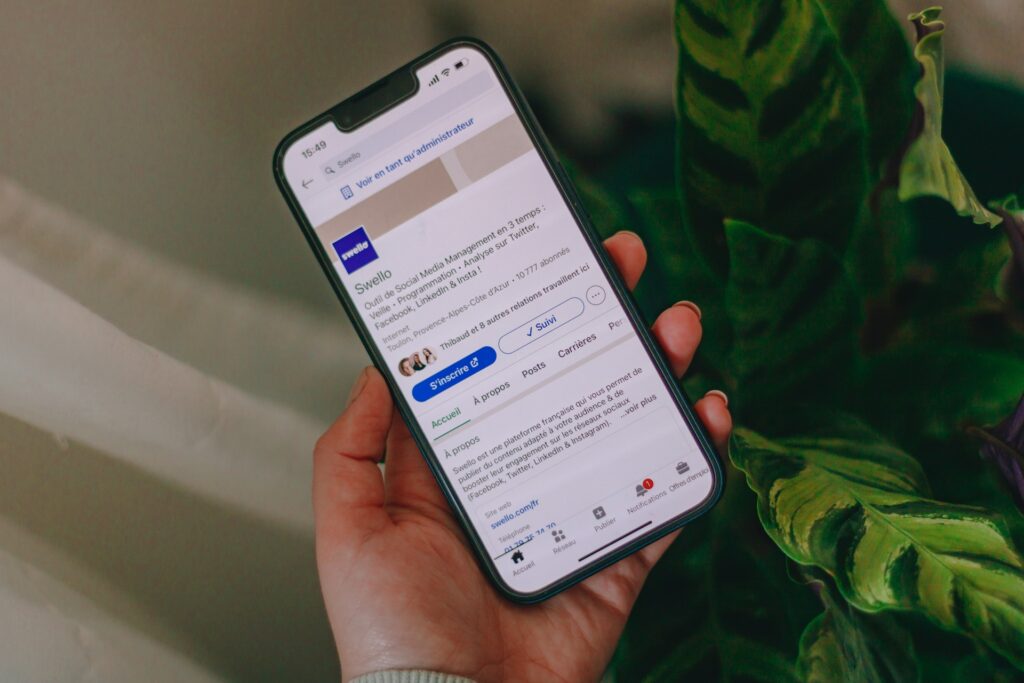
Personal branding on LinkedIn has shifted from a “nice-to-have” to a career and business necessity. Whether you’re a student, professional, founder, or consultant, LinkedIn is no longer just a networking platform it’s your digital reputation engine. Yet most people struggle with visibility, engagement, and consistency. They post sporadically, copy trending formats, or share generic advice and see little to no results. This guide breaks down practical LinkedIn personal branding tips and tricks that work in 2025, based on strategy, psychology, and positioning not gimmicks.

How to Write LinkedIn Posts That Go Viral

LinkedIn has become one of the most powerful platforms for building professional credibility, attracting career opportunities, and growing a business. But with millions of posts published every day, how do you make sure yours stands out? Going viral on LinkedIn isn’t just luck it’s strategy, psychology, and consistency.

Below is a practical guide to help you craft posts that capture attention, spark engagement, and expand your reach.

How To Write LinkedIn Hooks That Stop the Scroll and Build Authority

If content is the engine of your LinkedIn growth, the hook is the ignition. It decides whether someone keeps reading or keeps scrolling. The average LinkedIn user spends only 52 seconds per visit. That means you have less than two seconds to convince them your post deserves attention. Most posts fail not because the content is weak, but because the hook did not earn the next line.

How To Use LinkedIn Filters To Find Opportunities Faster

Most people scroll on LinkedIn hoping the right clients, collaborators or conversations will simply appear. The real advantage lies in the filters LinkedIn hides in plain sight. These filters turn the platform from a noisy feed into a precision search engine. When you know how to use them, you stop guessing who to talk to and start finding buyers, decision makers and aligned communities in minutes instead of months.

LinkedIn’s Biggest Shift in a Decade: What the 360Brew AI Engine Really Means for Your Business

LinkedIn didn’t just update its platform   it introduced an entirely new intelligence layer called 360 Brew, an AI engine designed to understand people, not posts. While most creators are still optimising for impressions, hashtags, and posting frequency, the ground beneath them has already moved.

For the first time, LinkedIn has confirmed that its ranking content based on professional value, clarity, and expert identity, not vanity metrics.
This change is massive: according to LinkedIn’s own data, over 65% of users come to the platform for knowledge, not entertainment. 360 Brew is built to serve exactly that behaviour   and phase out everything that dilutes it.

LinkedIn Algorithm 2026: The Death of Generic Value Posts

The professional networking landscape is experiencing a paradigm shift. As we move through 2025 and into 2026, LinkedIn’s algorithm has evolved from a simple content distributor into a sophisticated intelligence system that distinguishes between superficial engagement bait and genuine professional value. The message is clear: generic “value posts” are dying, and only authentic expertise will survive.

5 Frameworks for Writing Posts That Stand Out in 2025

Creating content that holds attention is harder than ever. With platforms reporting a 30–40% decline in engagement on generic posts, the need for structured, high-authority writing frameworks has grown. Strong frameworks don’t just make writing easier they help your content stay memorable, actionable, and aligned with how modern algorithms evaluate value. Below are five proven frameworks that work consistently in 2025.