
LinkedIn Content Strategy for Consultants: What to Post at Each Funnel Stage
LinkedIn is one of the most effective platforms for consultants to build authority, trust, and a predictable pipeline of inbound leads. However, most consultants post content without a clear strategy. They share advice, stories, or opinions in isolation, without considering where their audience is in the buying journey.
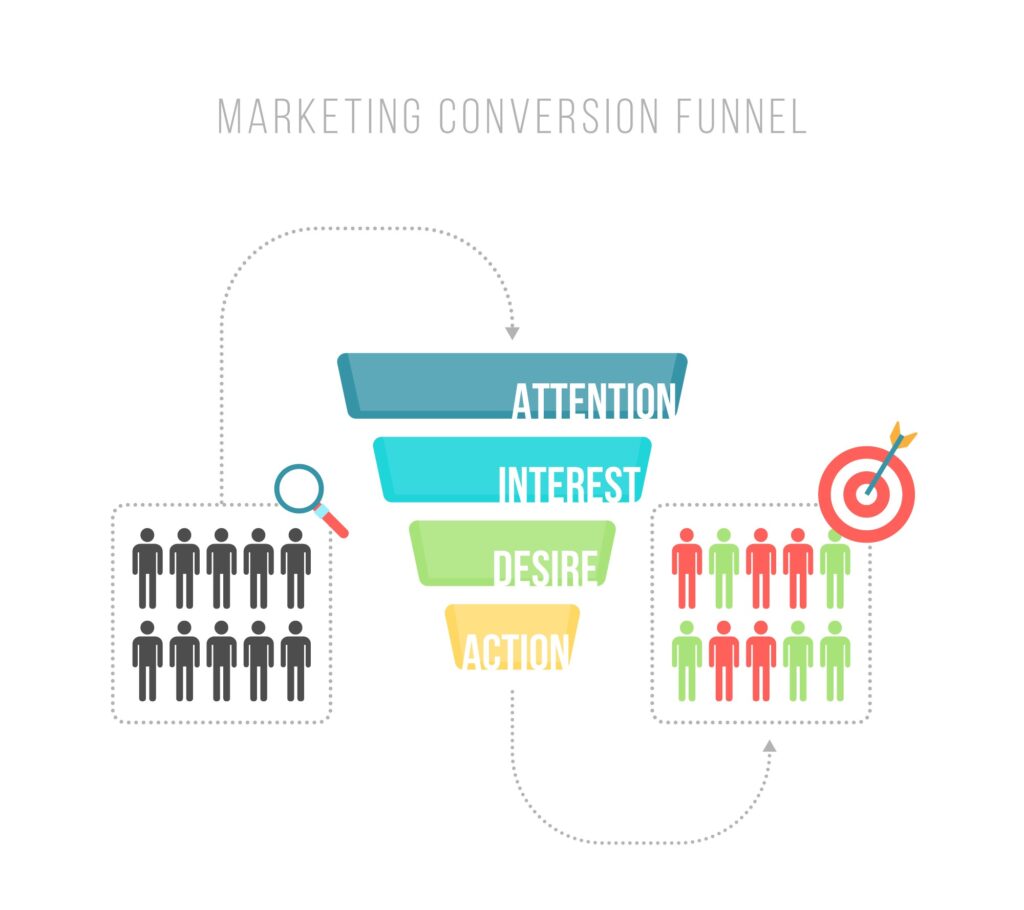
A funnel-based LinkedIn content strategy solves this problem by aligning content with audience intent. Instead of posting randomly, consultants publish content that attracts attention, builds trust, and supports buying decisions in a logical sequence.
Why a Funnel-Based Strategy Matters for Consultants
Consulting is a high-trust service. Buyers rarely make decisions quickly, and they often follow consultants for weeks or months before reaching out. Research shows that B2B buyers consume multiple pieces of content before engaging with a provider, and trust is a primary driver of consultant selection (Edelman, 2023; LinkedIn B2B Institute, 2022).
A funnel-based approach helps consultants:
- Attract the right audience rather than chasing reach
- Build authority without over-teaching
- Convert visibility into meaningful conversations
- Avoid sounding salesy or promotional
Top of Funnel (TOFU): Awareness and Reach
Goal: Get discovered and create relevance
Audience mindset: “This feels familiar” or “This speaks to my problem”
At the top of the funnel, your audience is not looking to hire a consultant. They are scrolling, observing, and reacting. Your role here is to stop the scroll and articulate problems your audience already feels but has not fully defined.
What to post at TOFU:
- Strong opinions about industry norms
- Common mistakes or myths in your field
- Relatable pain points and frustrations
- Short stories from experience
- Contrarian or friction-based insights
Example TOFU topics:
- Why most consulting recommendations never get implemented
- The hidden reason strategy workshops fail
- What leaders misunderstand about change initiatives
Why it works:
Top-of-funnel content triggers recognition and emotion, which are key drivers of attention and sharing (Berger, 2016). This type of content builds awareness without asking for commitment.
Middle of Funnel (MOFU): Trust and Authority
Goal: Build credibility and demonstrate expertise
Audience mindset: “This person understands the problem deeply”
Once people recognise you, they begin evaluating your thinking. At this stage, consultants should move beyond surface-level advice and show how they analyse, diagnose, and frame problems.
What to post at MOFU:
- Proprietary frameworks or mental models
- Case studies or anonymised client lessons
- “How I think about…” posts
- Strategic breakdowns of real scenarios
- Insight-led educational content
Example MOFU topics:
- The framework I use to diagnose organisational misalignment
- Why most transformation efforts fail before execution
- A real example of stakeholder resistance and how it was addressed
Why it works:
According to the Content Marketing Institute (2023), B2B buyers value content that shows depth of understanding over generic educational material. MOFU content positions you as a strategic partner rather than a content creator.
Bottom of Funnel (BOFU): Conversion and Decision Support
Goal: Turn trust into conversations
Audience mindset: “Could this consultant help me?”
Bottom-of-funnel content is not aggressive selling. It helps buyers reduce risk and gain clarity. At this stage, people want to understand what working with you actually looks like and whether you are the right fit.
What to post at BOFU:
- Client outcomes and transformation stories
- Behind-the-scenes views of your consulting process
- Clear positioning statements
- “Who I help and who I don’t” posts
- Soft calls to action and invitations to talk
Example BOFU topics:
- What working with me looks like over 90 days
- The moment clients usually realise they waited too long
- Who my consulting approach is best suited for
Why it works:
Buyers at the decision stage look for reassurance, clarity, and social proof (Kotler & Keller, 2019). BOFU content reduces uncertainty without pressure.
Recommended Content Mix for Consultants on LinkedIn
To maintain reach while driving conversions, a balanced LinkedIn strategy looks like this:
- 50% Top-of-Funnel content for visibility and discovery
- 35% Middle-of-Funnel content for authority and trust
- 15% Bottom-of-Funnel content for conversion
This aligns with guidance from the LinkedIn B2B Institute, which emphasises that most content should focus on demand creation rather than immediate lead capture.
Common Mistakes Consultants Make on LinkedIn
- Posting only educational content with no perspective
- Selling too early before trust is established
- Ignoring bottom-of-funnel content entirely
- Writing for a broad audience instead of decision-makers
- Optimising for likes instead of conversations
Conclusion
LinkedIn works best for consultants when it is treated as a system, not a guessing game. A funnel-based content strategy ensures that every post has a purpose and moves the audience one step closer to working with you.
When awareness, trust, and conversion content work together:
- Visibility becomes credibility
- Credibility becomes trust
- Trust becomes clients
That is how consultants turn LinkedIn into a long-term growth channel rather than a vanity platform.
References
Berger, J. (2016). Contagious: Why Things Catch On. Simon & Schuster.
Content Marketing Institute. (2023). B2B Content Marketing Benchmarks, Budgets, and Trends.
Edelman. (2023). Edelman Trust Barometer: Business and Professional Services.
Kotler, P., & Keller, K. L. (2019). Marketing Management (15th ed.). Pearson.
LinkedIn B2B Institute. (2022). The 95–5 Rule and B2B Buyer Behaviour.


